
Four-layer infrastructure model
Abstract 38 defines four layers: core data centers, solar-backed edge nodes at host homes, the WeAD platform (this site), and data-center-funded hardware + host payments — including solar panels on roof, ground, or apartment sites.
Layer 1 — Core Data Centers
Hyperscale centralized facilities. Model training and tightly coupled cluster jobs stay here — Home Cloud does not replace megacenter training fabric. The hybrid model offloads edge-suitable work to home nodes — reducing mega-build expansion. See Abstract 38 §5.
Layer 2 — Solar & Edge Nodes (data-center funded)
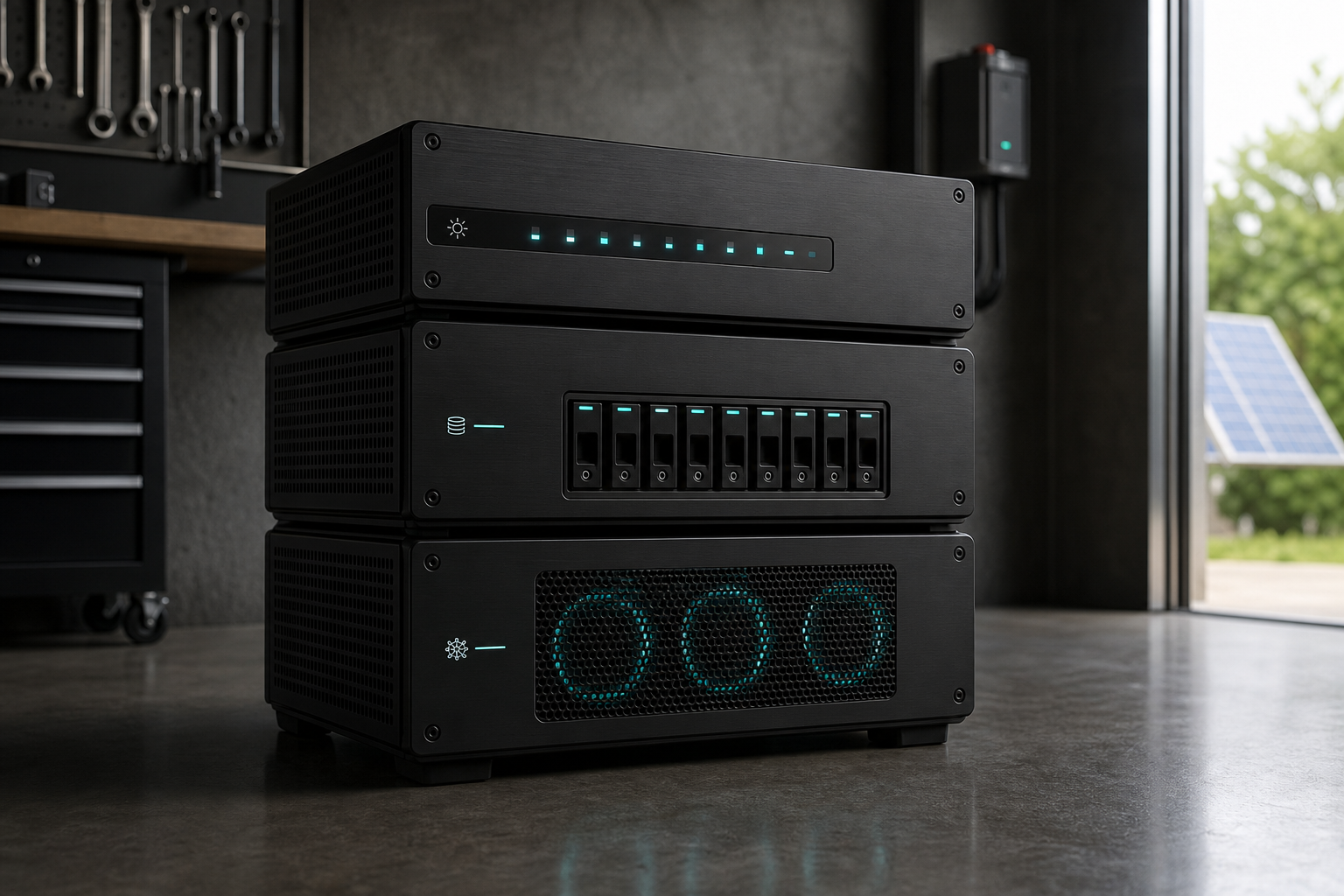
Each host site — house or apartment — receives a data-center-funded solar array plus locked Power, Data, and AI modules. The home is a shell only. Heavy workloads run during solar surplus — not during grid stress.
The three modules stack into a single data-center-funded Data House at the host site — garage, utility room, or closet. Locked enclosure; hosts cannot open or operate it.
Network: each unit uses a wired Ethernet (LAN) link inside the home to the site router — not Wi‑Fi. Nodes reach the platform and each other over an encrypted overlay (VPN-class tunnel) on the existing ISP link. This is not a private city-wide LAN and does not require digging fiber between houses.
Solar Power Integration

Why solar matters
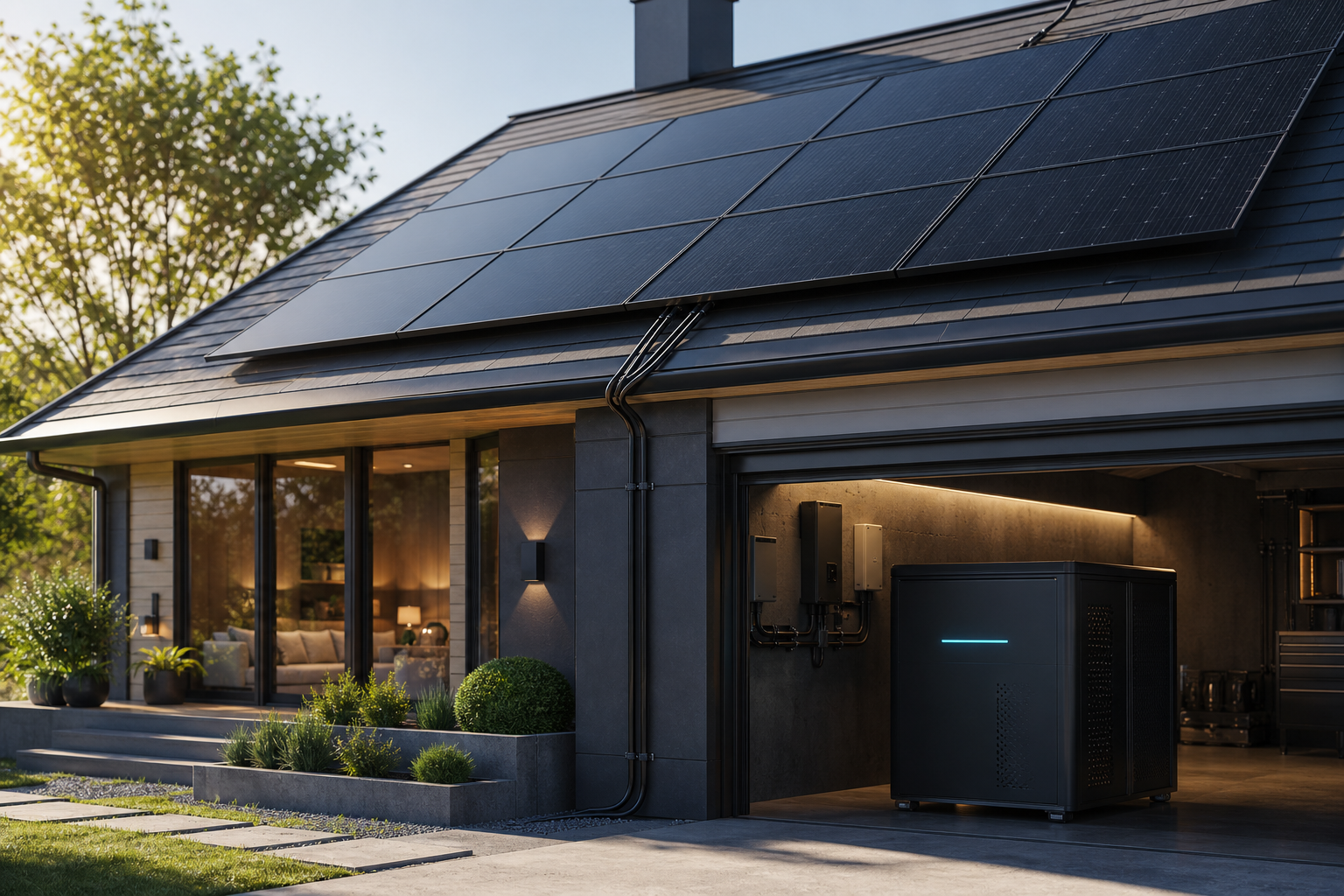
Mega data centers consume enormous grid power and water for cooling. Home Cloud inverts the model: compute lives where solar already falls on rooftops. The Power Box reports generation in real time; the control plane uses it for scoring and scheduling.
solar_kwin every heartbeat — fleet-wide solar total on the overview dashboard- Higher solar + battery → higher node score → more workloads routed to that node
solar_surplusmode triggers AI inference and large storage jobs- Grid draw monitored — minimize peak-hour consumption across the fleet
Solar Array
Funded by data center — rooftop, ground-mount, or apartment surround. Primary energy source. Telemetry: solar_kw per node.
Power Box
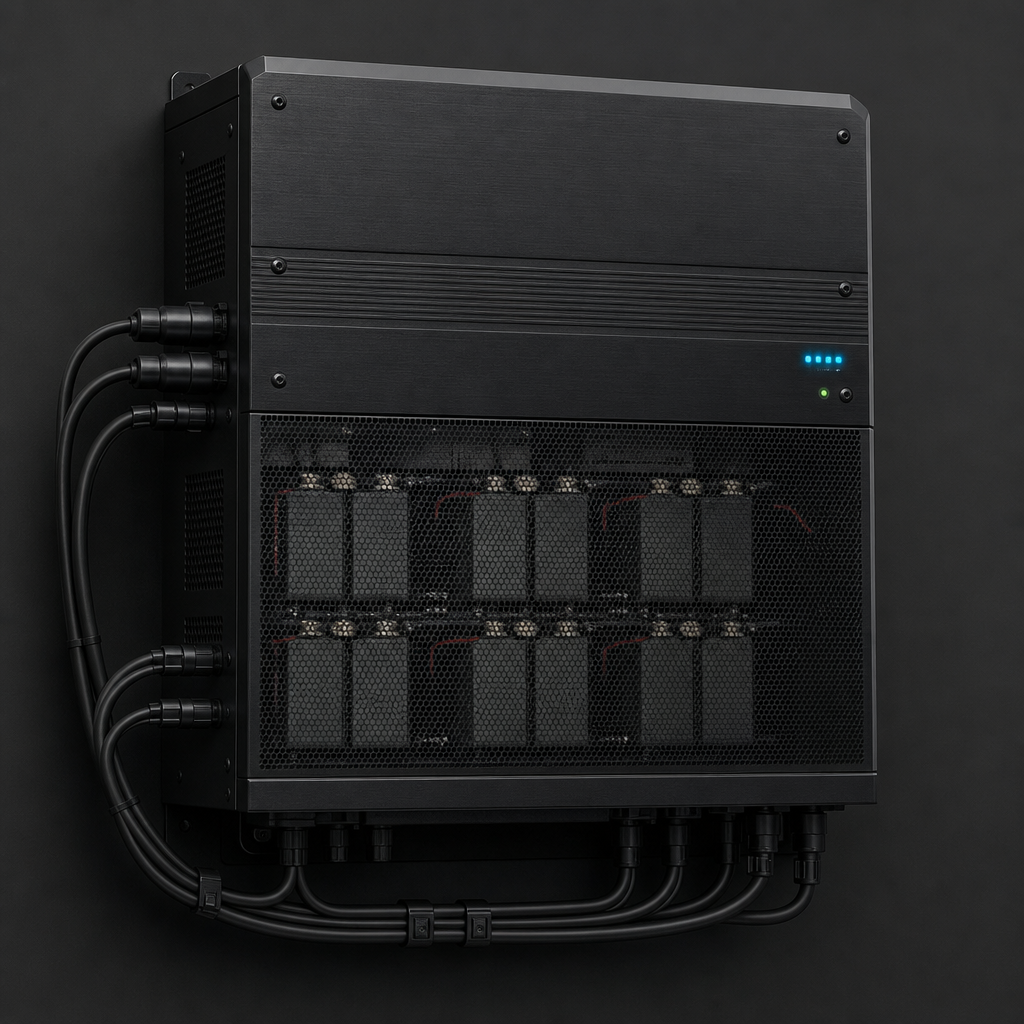
Solar MPPT, battery BMS, grid monitoring. Drives Data House Mode scheduling.
Data Box
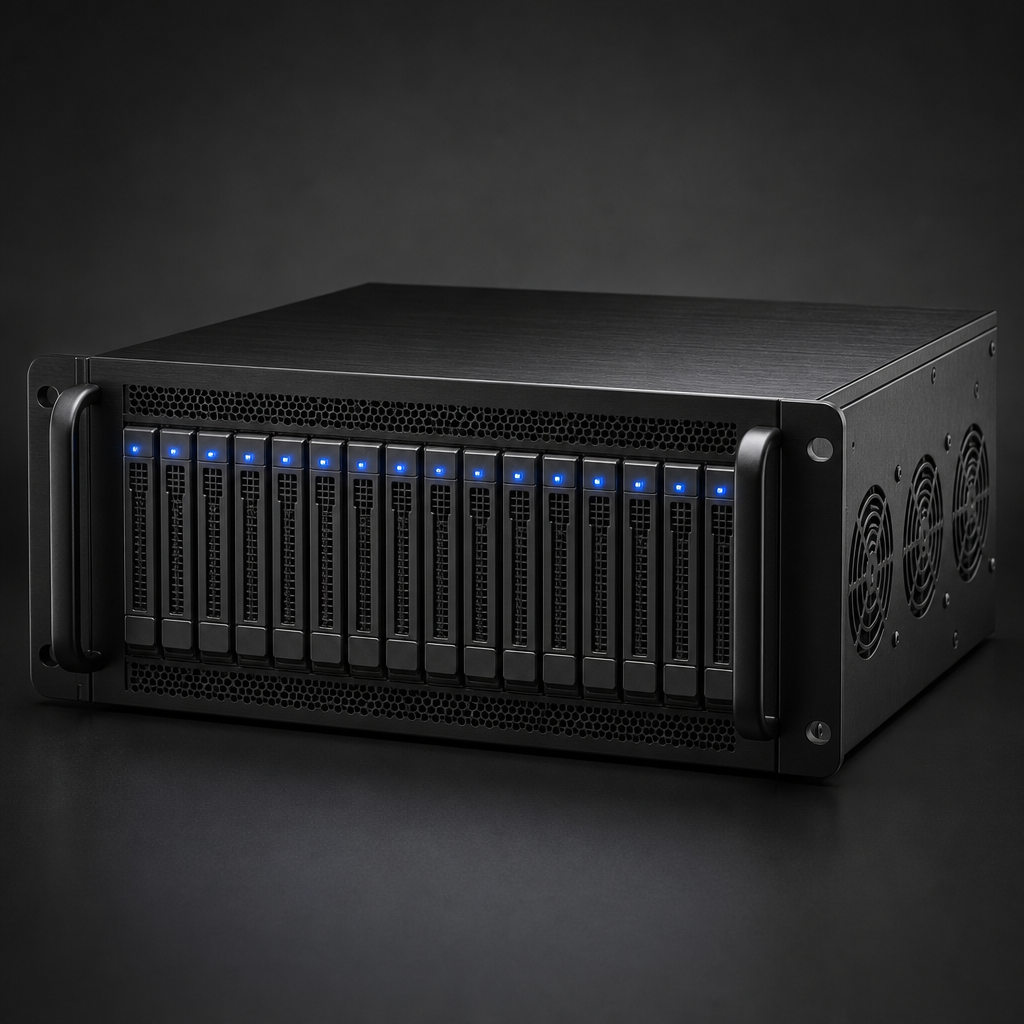
50 TB redundant storage. Serves archive, cache, and Web3 slice tenants.
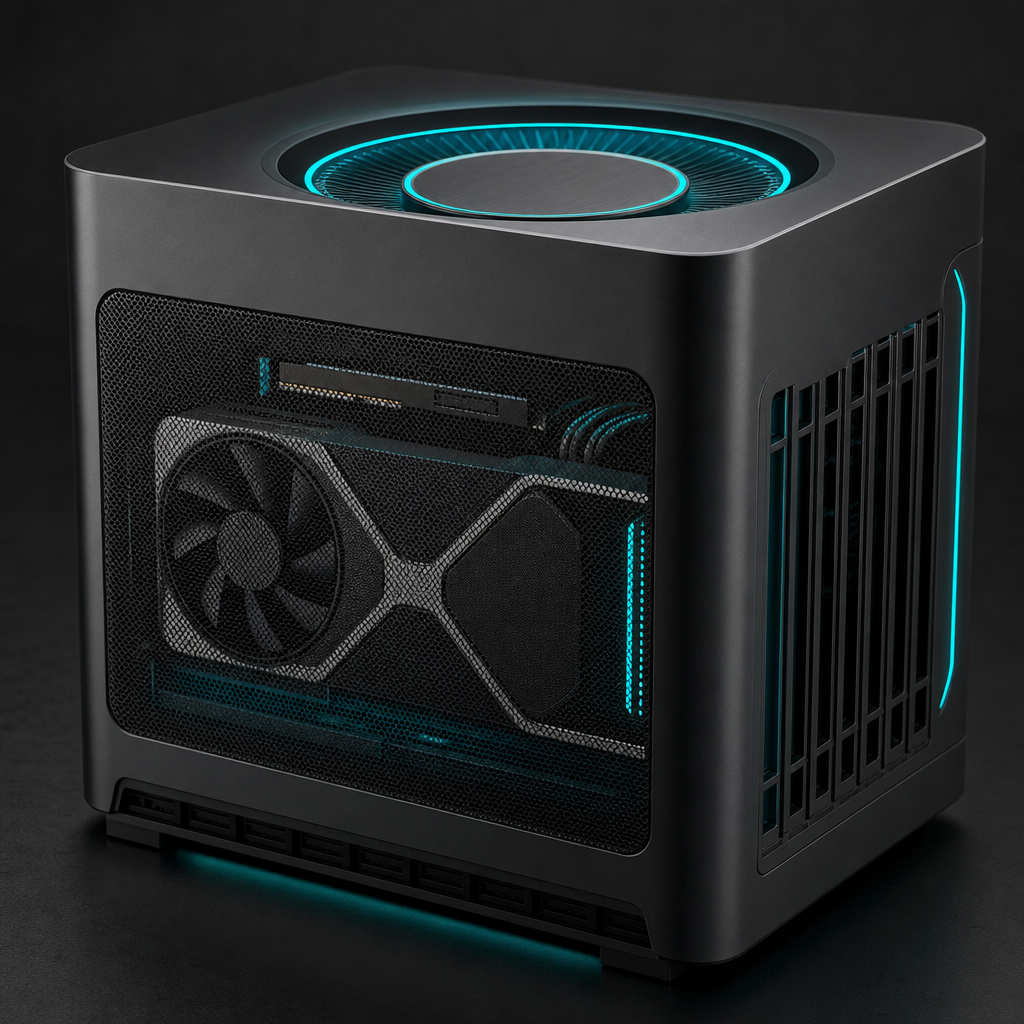
AI Box
Edge inference accelerator. Runs heaviest when node reports solar_surplus — local LLM and vision on green power.
Edge Agent (Layer 2 · DC-operated)
A platform agent inside a locked enclosure, installed when a data center funds deployment at a host site. Site hosts cannot access it. Data center operators dispatch workloads through Home Cloud; the agent reports telemetry and executes assigned jobs. WeAD does not install or operate hardware — only the control plane.
Pilot engineering uses scripts/sim_node.py internally — not available to site hosts.
$ POST /api/v1/nodes/register
$ POST /api/v1/nodes/{id}/heartbeat
→ { "node_score": 579.65, "bandwidth_class": "B" }
Node Scoring Engine
Weighted composite: upload/download throughput, latency, uptime %, battery level, solar input, AI utilization, and tier multiplier. Higher score = priority placement.
Bandwidth Classification
Class A <100 Mbps Class B 100–500 Mbps Class C ≥500 Mbps
Data House Mode
Power-aware scheduling: normal · solar_surplus · off_peak. Heavy jobs queue until favorable energy telemetry is reported.
Workload Router
Tenant submits job → platform calls /assign → highest-scoring online node meeting class requirement receives the workload.
Layer 3 — WeAD Platform
Home Cloud ingests telemetry, computes node score, assigns bandwidth class, routes workloads, and verifies execution. WeAD is the platform — orchestration and verification. We do not fund hardware or pay hosts; data centers do.
Layer 4 — Funding & Payments
Per Abstract 38 §8: data center operators fund the complete site install — solar panels (roof, ground, or apartment surround), Power Box, Data Box, and AI Box. The host pays nothing. Data centers pay passive hosting income and dispatch workloads through the WeAD platform.
Workload Catalog
Edge jobs only. Training large models and other tightly coupled cluster work stay on Layer 1 core data centers. Home nodes run embarrassingly parallel / local tasks that tolerate residential latency.
| Kind | Use Case | Min Class | Priority |
|---|---|---|---|
| storage | Backup, archive, distributed slices | A | Capacity |
| inference | Local LLM / vision (already-trained models) | B | Score |
| cache | CDN edge, asset pre-positioning | B | Latency |
| web3 | Light node, indexer, proof tasks | A | Uptime |
| gaming | Session relay, low-latency host | C | Bandwidth |
Not in catalog: distributed model training, InfiniBand-class all-reduce, or any job that requires microsecond fabric between homes.